|
 |
|
|
|
 |
Olympic Ripples - collective memory bench
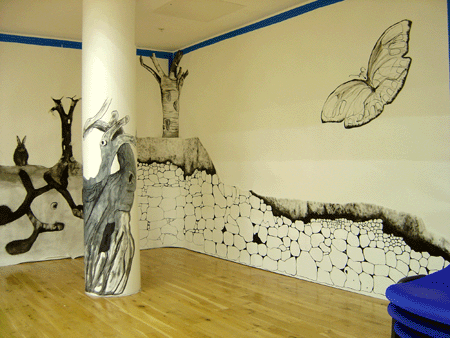
------------------------------------------------------------------- Out of Darkness Cometh Light Artwork for a new school
building in Bilston, commissioned by Project Dandelion.
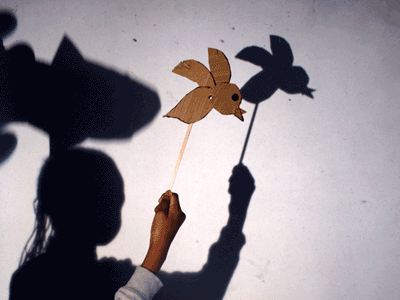
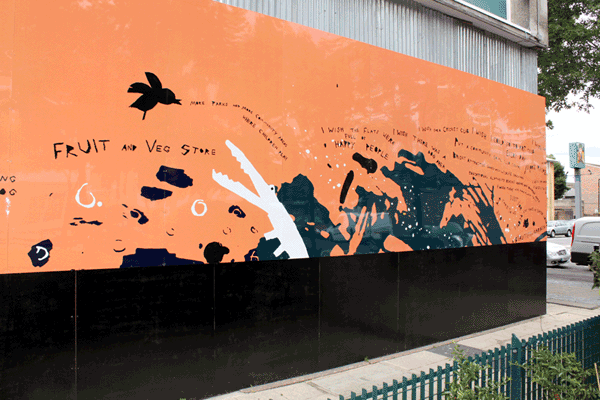
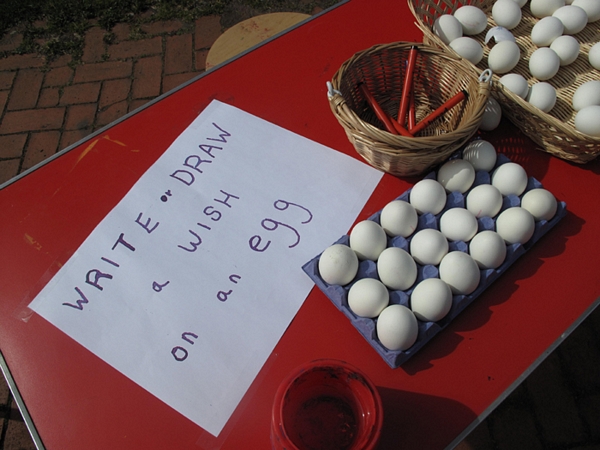
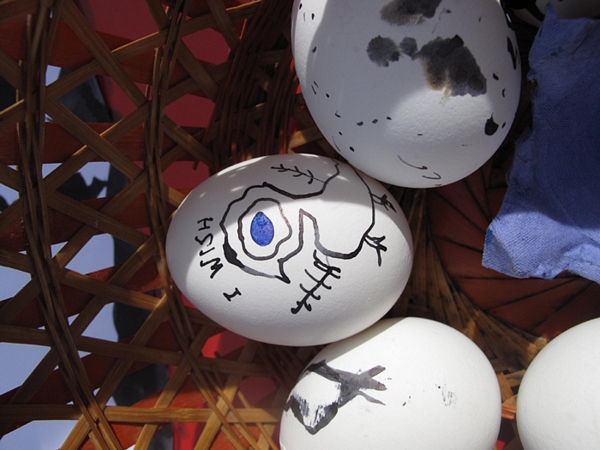
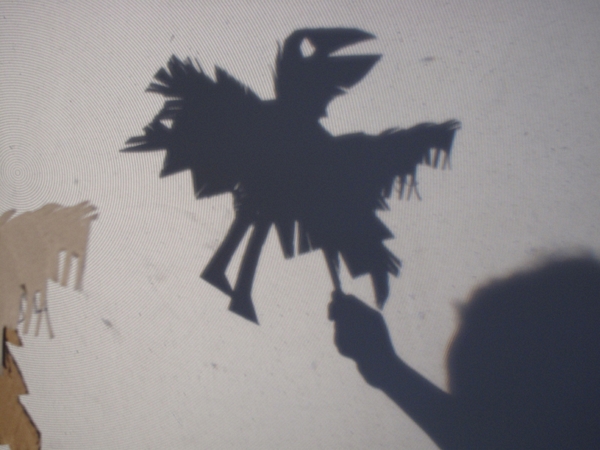
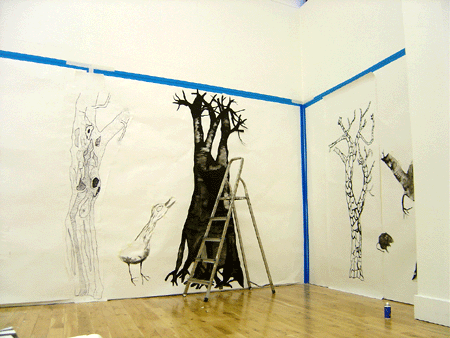
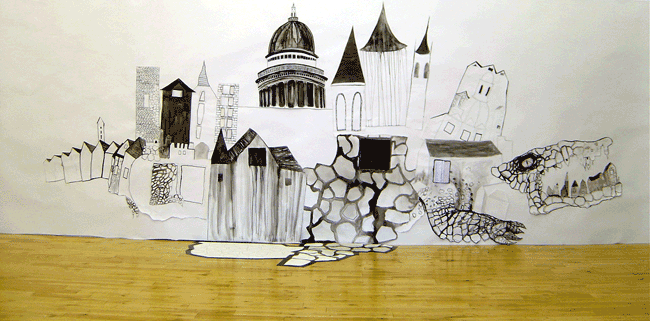
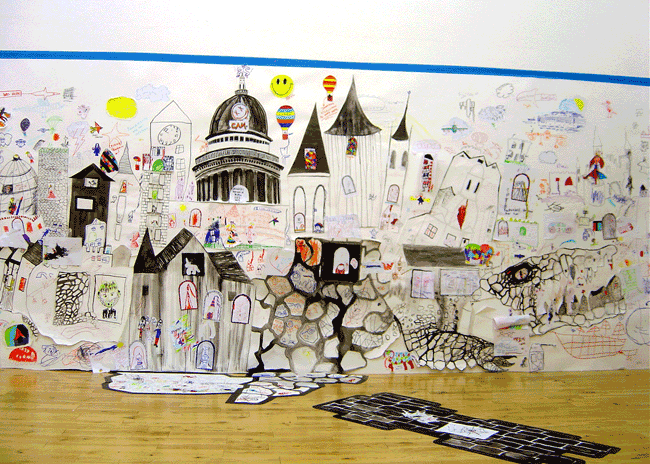
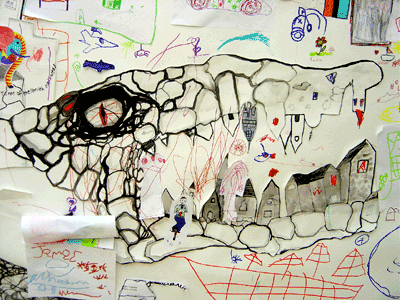
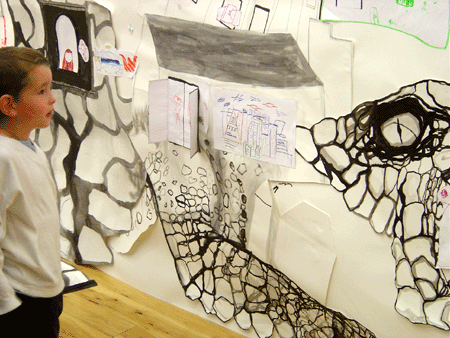
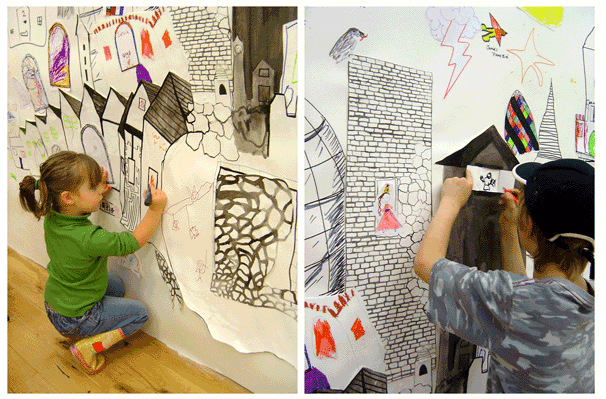
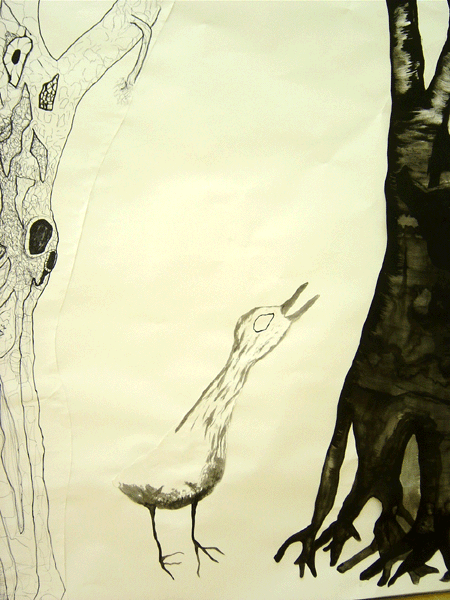
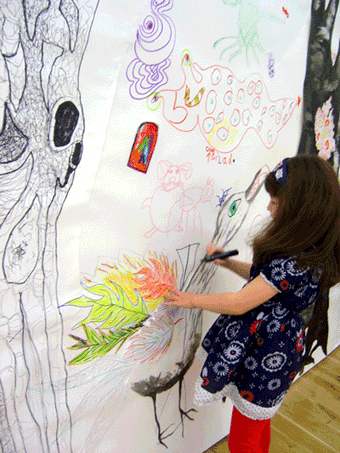
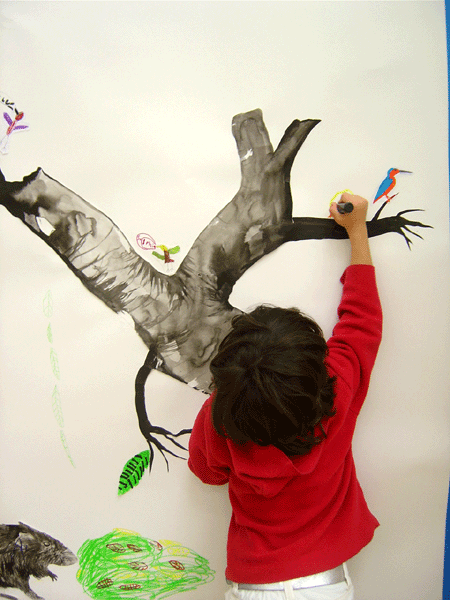
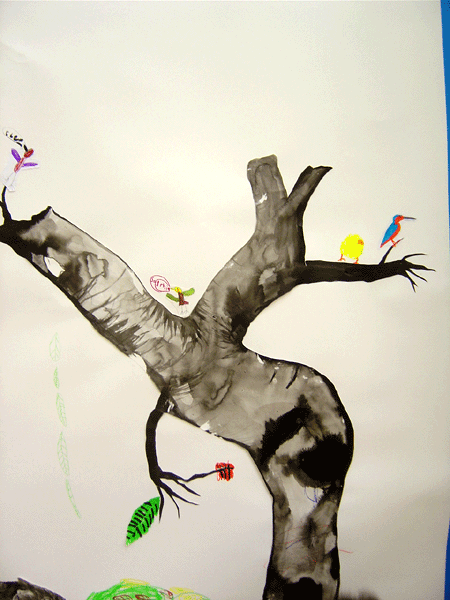
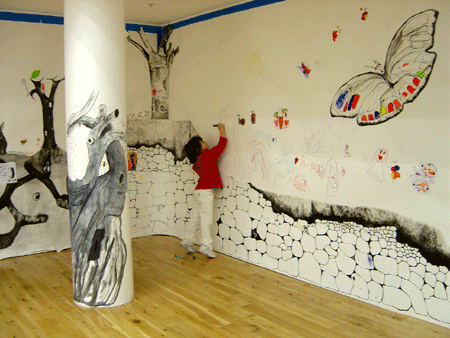
Artwork installed in September 2012. ------------------------------------------------------------------------------------- If Wishes Were Birds - Wall drawing created with residents of Sceaux Gardens estate.Initially intended as a visual metaphor that linked the seperate blocks around the estate, the wishing wall idea was developed during a six-month residency that forms part of the South London Gallery Making Play programme. During this residency I tested collaborative methods of creating narratives with local children and families around the estate. I was interested in using fiction as play, exploring how stories can be used as meeting places and a way of bringing the community together. The wishing wall aimed to open paths of communication, allowing people to express their thoughts and feelings about their neighbourhood and the changes that are taking place. The creative process of building a wishing wall was aimed to provide a positive shared experience for the community. Making the wishes visible was a way of allowing further dialogues to emerge.
-------------------------------------------------------------------------------------------------------------------
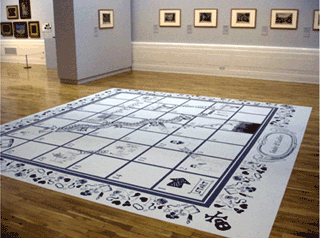
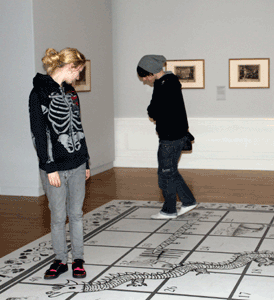
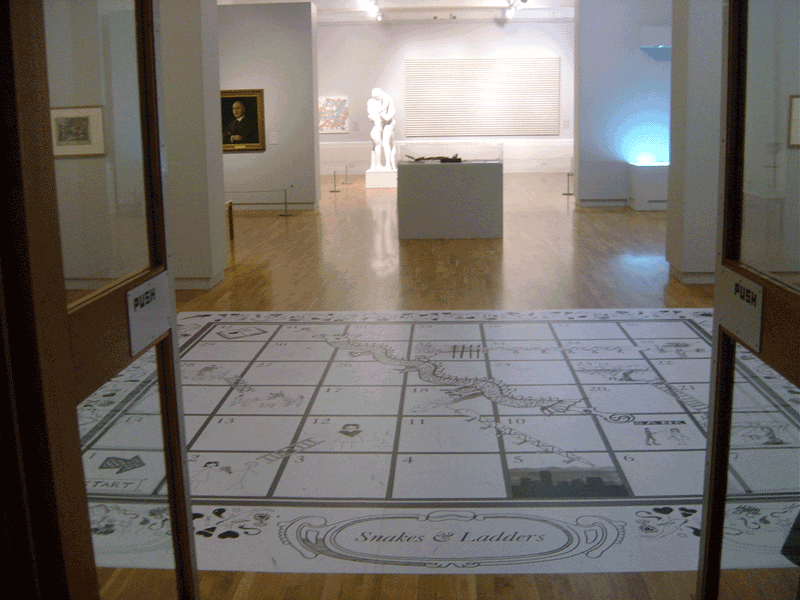
The East London Sukkah An interfaith art intervention in Brick Lane to celebrate the autumn harvest and the diversity of London. The sukkah is a temporary outdoor construction traditionally set up by neighbours during the Jewish Sukkot holidays. Set up by Heather Ring and Openvizor, this installation provided a space for people of different faiths to enjoy. This Sukkah was created through a series of collaborative workshops with local schools, students and faith groups, including the East London Mosque, two local primary schools and illustration students from the London Metropolitan University. The Sukkah was then used as an exhibition space and for a series of talks and workshops themed around food, faith and sustainability. ----------------------------------------------------------------------------------- Interprative Artwork for Museums Sheffield A site-specific, interpretive artwork in response to the William Hogarth exhibition Industry and Idleness, made in collaboration with Museums Sheffield Youth Forum (-see workshops and residencies page). The final artwork is a snakes-and-ladders floor vinyl that combines drawings, motifs, sequential comic-strips and a mutli-choice questionairre made by different members of the Youth Forum, forming a polyphonic visual piece that brings focus illuminates themes in William Hogarth's work and invites viewers to play in the gallery space and interact with the artwork.. March- May 2009, Graves Gallery, Museums Sheffield.
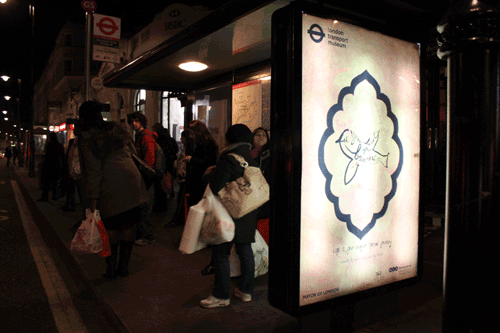
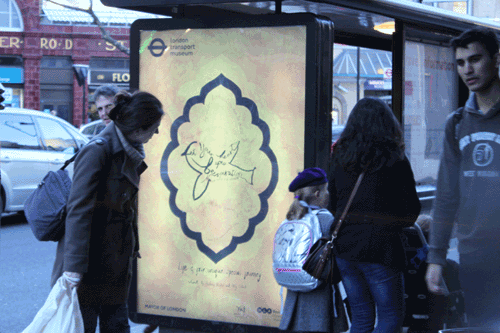
Bus Shelter arwork outside Gloucester Road tube, London, February 2011 Created collaboratively with young people from the Ismaili Centre, commissioned by the London Transport Museum.
----------------------------------------------------------------------------------- Bus Shelter artwork outside Gloucester Road tube, London, February 2011 Created collaboratively with young people from the Ismaili Centre, commissioned by the London Transport Museum. The project was themed around journeys. Calligraphy and zoomorphic imagery was used to create the final work. .
-----------------------------------------------------------------------------------------------------
************************************************************************ The Lost Gods of England
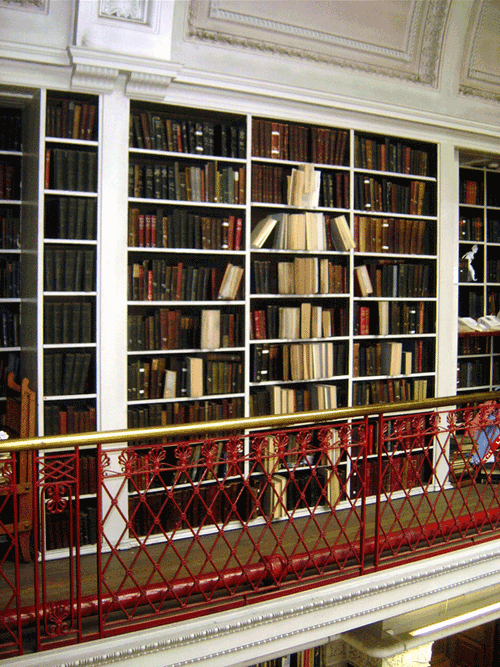
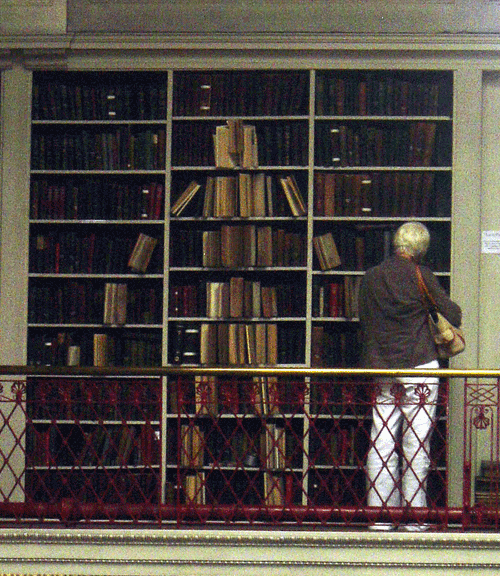
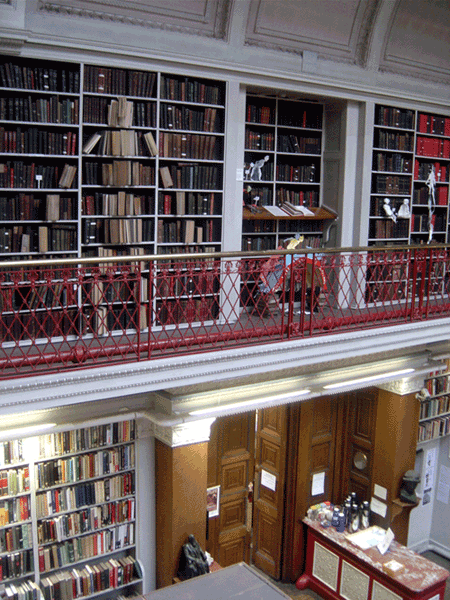
A site-specific intervention based on the idea of lost gods, and the library as a place that links the present to other worlds. Created in response
to a brief set byRednile projects, who were looking to commission site-responsive
works for the Literary and Philosophical Society in Newcastle, UK. After typing in the word lost in the Literary and Philosophical Society catalogue, I discovered a book called The Lost Gods of England by Brian Branston. I was inspired to make a project themed around this book, but found that it was missing.
Brian Branston's book discusses how these gods were oblitarated out of public memory, and intentionally written out of history by the Church. Only faint traces of these heathen gods appear, mostly in place names, days of the week, and other fragmented evidence.
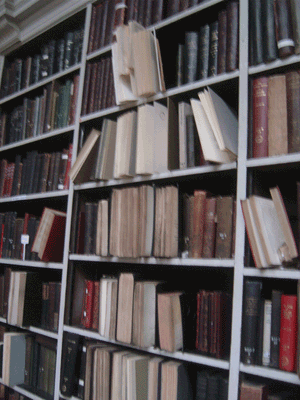
Image in Shelf Using Reversed Books --------------------------------------------------------------------
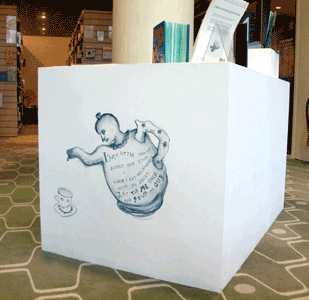
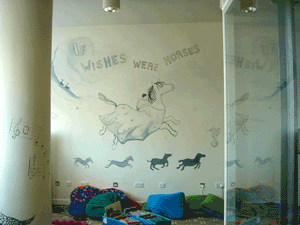
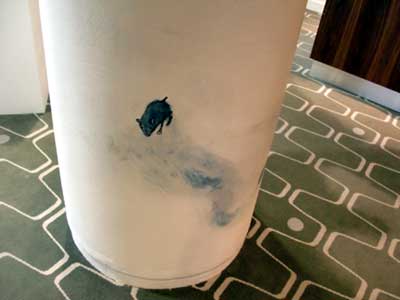
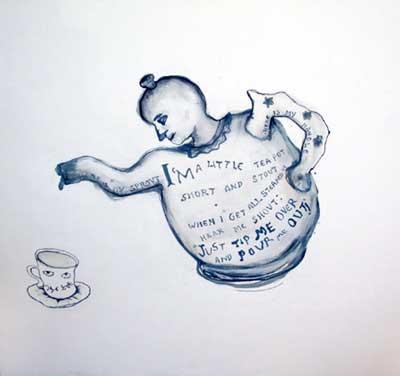
If Wishes Were Horses, and other Nursery Rhymes Drawings inspired by nursery rhymes for the wall, columns and plinths of the Saison poetry library, Royal Festival Hall, commissioned by the South Bank Centre, 2010. |
||||||||||||||||||||||||
 |
 |
|||||||||||||||||||||||
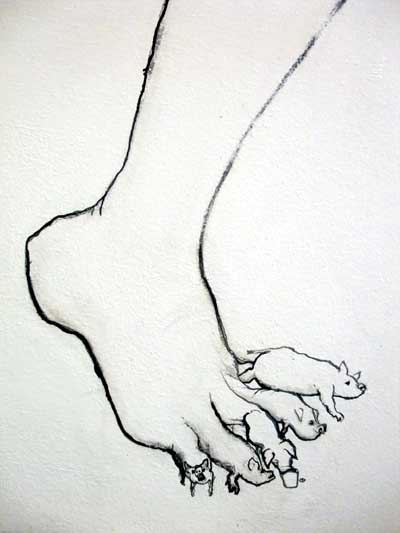
This Little Piggy
|
I'm a Little Teapot
|
|||||||||||||||||||||||
If Wishes Were Horses, and other Nursery Rhymes - Wall mural for Saison poetry library, Royal Festival Hall 2010 Drawings inspired by nursery rhymes for the wall, columns and plinths of the Saison poetry library, Royal Festival Hall, commissioned by the South Bank Centre, 2010.
************************************************************* |
||||||||||||||||||||||||
|
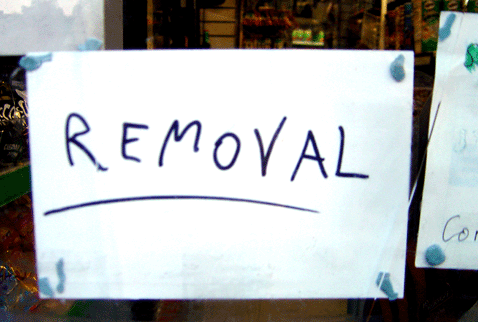
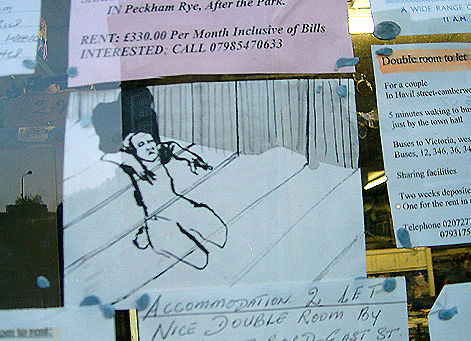
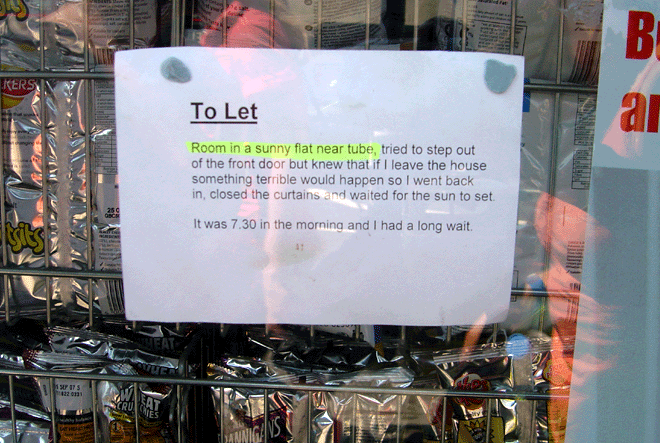
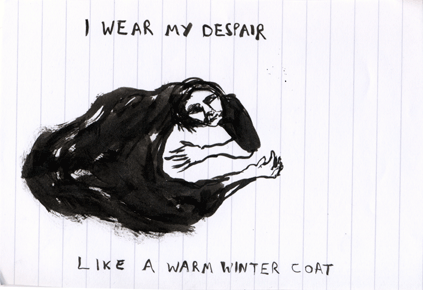
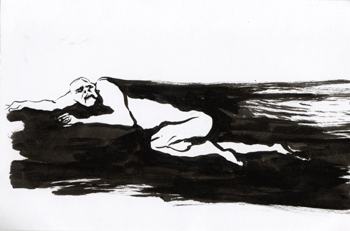
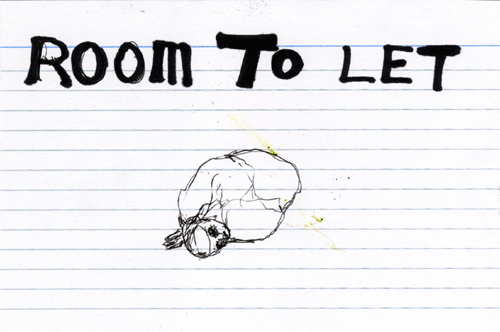
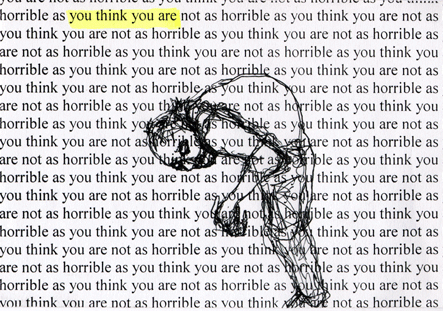
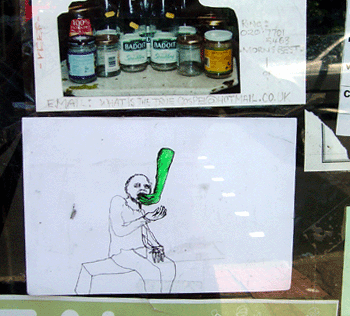
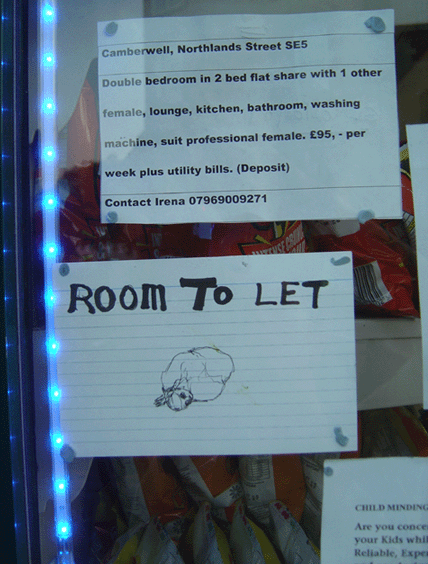
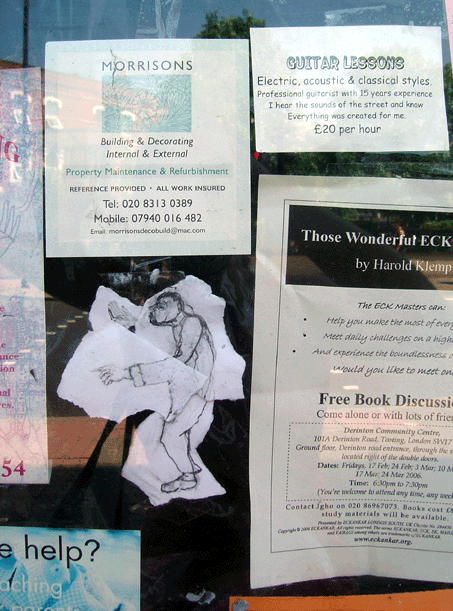
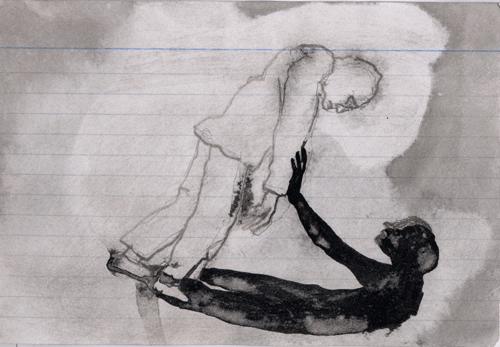
Wanted is an art trail consisting of drawings and words disguised as adverts that convey thoughts and feelings about mental health issues as they are experienced and perceived, inspired by conversations with Creative Routes members. Creative Routes is an organisation based in South London, run by and for people who have experienced mental ill health. The project was commissioned by Creative Routes in collaboration with the South London Gallery for Bonkerfest, a festival that sets to open discussion about issues surrounding mental health through public art interventions. The drawings and text-pieces were created for the festival and exhibited in the classified ads section in nine newsagents' windows around Camberwell Green, as a public art intervention and a broken narrative.
|
||||||||||||||||||||||||
 |
 |
|||||||||||||||||||||||
 |
 |
|||||||||||||||||||||||
 |
 |
|||||||||||||||||||||||
 |
 |
|||||||||||||||||||||||
 |
 |
|||||||||||||||||||||||
*****************************************************
|
|
|
|
|
|
|
All images on this website copyright Orly Orbach 2013


 The
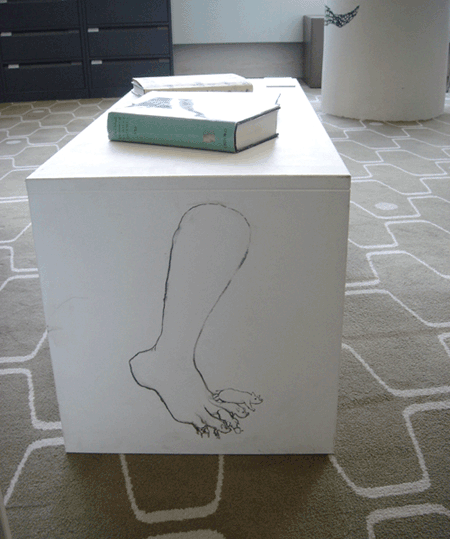
bench captures the unique voices of Barking residents.
The
bench captures the unique voices of Barking residents. 
 The
bench was created by different members of the community, including
children, adults, volunteers, the Mayor and Sebastian Coe.
The
bench was created by different members of the community, including
children, adults, volunteers, the Mayor and Sebastian Coe. Members
of the public can make rubbings using crayons or pencils on paper.
The bench becomes an open book from which stories can be freely
reproduced.
Members
of the public can make rubbings using crayons or pencils on paper.
The bench becomes an open book from which stories can be freely
reproduced.